5 Hidden Features of the Wireless Headset You Must Know About
Introduction
Wireless headsets have rapidly evolved into indispensable accessories in our everyday lives—whether for music lovers, remote workers, gamers, or fitness enthusiasts. With the explosion of options on the market, many buyers focus on well-advertised specs like battery life, comfort, or sound quality. However, beneath the surface, modern wireless headsets often ship with innovative features that buyers overlook or simply aren’t aware of. Understanding these hidden features can dramatically enhance everyday use, boost productivity, and even protect your investment.
This article delves into five hidden features every wireless headset owner should know about, showcasing how these capabilities solve real-world problems and deliver added value. By the end, you’ll have a comprehensive appreciation of what today’s wireless headsets can truly offer, complete with a clear-eyed review, pros and cons, feature comparison, and buying guidance.
Detailed Product Analysis: Beyond the Basics
When considering a wireless headset, buyers often focus on prominent aspects such as battery life or noise cancellation. However, industry leaders have introduced subtler technologies that provide practical benefits, many of which remain underutilized. Below are five features that deserve special attention:
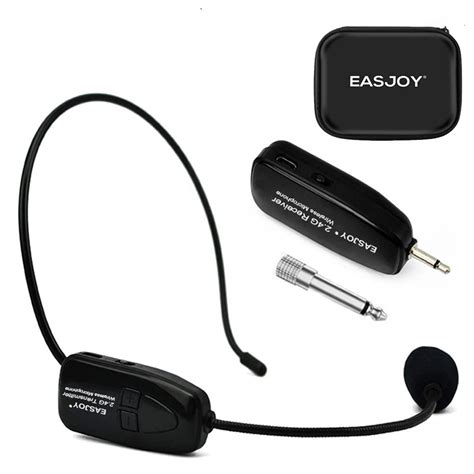
1. Multipoint Connectivity
One of the most transformative yet underappreciated features in premium wireless headsets is multipoint connectivity. This allows a headset to connect to multiple devices—such as a laptop and a smartphone—simultaneously. Users can seamlessly switch between taking work calls on their PC and listening to music on their phone without manually disconnecting and reconnecting devices.
- Real-world use case: A remote worker on a Zoom call can instantly switch to an incoming mobile phone call, then return to the PC audio without removing the headset or fiddling with Bluetooth settings.
Multipoint is invaluable for those who juggle work and personal devices, saving time and minimizing interruptions.
2. Adaptive Noise Control
While active noise cancellation is well-known, adaptive noise control takes it a step further. This technology adjusts cancellation strength on the fly, reacting to ambient sounds and user activities in real-time. Advanced headsets achieve this with onboard microphones or sensors that detect changes in environment, switching between 'office,' 'commute,' and 'outdoor' modes automatically.
- Real-world use case: Commuters switching between a noisy subway and a quiet park will experience tailored noise filtering, maximizing both safety and immersion.
Buyers concerned about both situational awareness and audio quality should prioritize headsets featuring adaptive algorithms.
3. Customizable Touch and Voice Controls
Many wireless headsets now include touch-sensitive controls or integrated voice assistant triggers, but the best models allow deep customization through companion apps. Users can reprogram tap, swipe, or press gestures—mapping them to track skipping, volume adjustments, or even launching third-party services like Spotify or Siri/Google Assistant. Combined with hands-free voice commands, the level of control offers tangible gains in efficiency, especially when multitasking or on the move.
Find top-rated Audio & Headphones products at great prices.
See Deals →- Real-world use case: Fitness enthusiasts can adjust volume or change playlists with sweaty hands, without fumbling with their phone, reducing distractions during workouts.
4. Self-Learning Audio Profiles
Personalized audio isn’t just for audiophiles anymore. Some wireless headsets use AI-powered analysis or built-in hearing tests to create custom equalizer profiles. These adapt audio frequencies to a user's specific hearing patterns over time, enhancing clarity for calls and detail for music. The difference is often striking, making vocals, instruments, and even dialogue in films easier to understand without raising the volume.
- Real-world use case: A user with mild hearing loss benefits from boosted speech frequencies during conference calls, avoiding frequent repeats or missed information.
This feature appeals to anyone seeking tailored audio or with unique hearing preferences.
5. Find-My-Device Integration
Losing expensive electronics is a headache, which is why progressive headsets now include 'find my headset' functionality. This may take the form of integration with a smartphone’s native device tracking feature or proprietary apps that show the last known Bluetooth location. Some even allow users to trigger a sound or vibration, making them easier to locate in busy households or offices.
- Real-world use case: In hectic environments, a misplaced headset can be located in seconds via an app alert, minimizing downtime and frustration, especially for busy professionals.
Pros & Cons
- Pros:
- Multipoint connectivity streamlines transitions between devices, improving productivity.
- Adaptive noise control enhances both immersion and safety by smartly responding to surroundings.
- Customizable controls and voice commands enable hands-free operation and user-specific preferences.
- Self-learning audio profiles deliver personalized sound, making calls and music clearer for all ears.
- Find-my-device support reduces stress and saves time when searching for misplaced headsets.
- Cons:
- Some advanced features may require installing additional apps, increasing setup complexity.
- Not all wireless headsets support every feature—buyers must check compatibility carefully.
- Firmware updates may be necessary to unlock the latest capabilities, which can introduce technical challenges.
- Premium features often entail higher upfront costs.
Feature Comparison Table
To make comparison easier, here is a summary of how the 'Wireless Headset' stands out versus standard models in these critical hidden features:
| Feature | Wireless Headset | Standard Headphones |
|---|---|---|
| Multipoint Connectivity | Yes, seamless device switching | Often single-device pairing only |
| Adaptive Noise Control | Real-time environmental adjustment | Manual ANC toggle (if at all) |
| Customizable Controls | Extensive app-based remapping, voice activation | Fixed or limited control schemes |
| Self-Learning Audio Profiles | AI-driven equalizer, hearing test integration | Generic presets (bass/treble boost) |
| Find-My-Device | Built-in tracking, app finding function | Rarely available |
Buying Guide: What to Look for in a Wireless Headset
1. Confirm Device Compatibility
Not all features are universal. If multipoint connectivity or adaptive noise control is important, ensure the headset specifically advertises compatibility with your preferred devices (Windows, macOS, iOS, Android, etc.). Some features may work only with companion apps or specific operating systems.
2. Evaluate Battery and Charging Options
Advanced features can impact battery life. Seek models offering at least 20–30 hours on a charge with efficient quick-charging. Some headsets now support USB-C or wireless charging for added convenience.
3. App Ecosystem and Support
Headsets with app-based customization and firmware support often receive new features post-launch. Check user reviews to assess app reliability, responsiveness, and ongoing manufacturer support.
Find top-rated Audio & Headphones products at great prices.
Shop Amazon →4. Comfort, Durability, and Design
Regardless of feature set, comfort remains essential for long-term use. Look for adjustable bands, memory foam padding, and sweat resistance, especially for users who intend to wear the headset for hours or during workouts.
5. Firmware Update Policy
The best wireless headsets often improve over time thanks to firmware updates. Investigate if the manufacturer provides easy-to-install updates and whether key features (like find-my-device integrations or new audio profiles) are guaranteed to receive long-term support.
6. Price, Warranty, and Service
Hidden features can justify a higher price, but buyers should weigh these against service packages, warranty periods, and return policies. A slightly more expensive headset with better support and replacement options often provides better long-term value.
Conclusion
Modern wireless headsets are much more than simple music playback devices. The five features discussed—multipoint connectivity, adaptive noise control, customizable controls, self-learning audio profiles, and built-in tracking functionalities—bring significant quality-of-life improvements to everyday use. Whether bridging the gap between devices, tailoring audio for individual needs, or preventing frustrating losses, these hidden capabilities are increasingly shaping the expectations for what a great wireless headset should offer.
Taking time to explore and utilize these advanced features can unlock lasting value. For buyers, knowing what’s possible empowers smarter shopping and ensures their next wireless headset isn’t just a purchase but a lasting upgrade to productivity and leisure. In a fast-evolving market, those who look beyond the spec sheet reap the greatest rewards.